How to start trading as a beginner and succeed in 2026
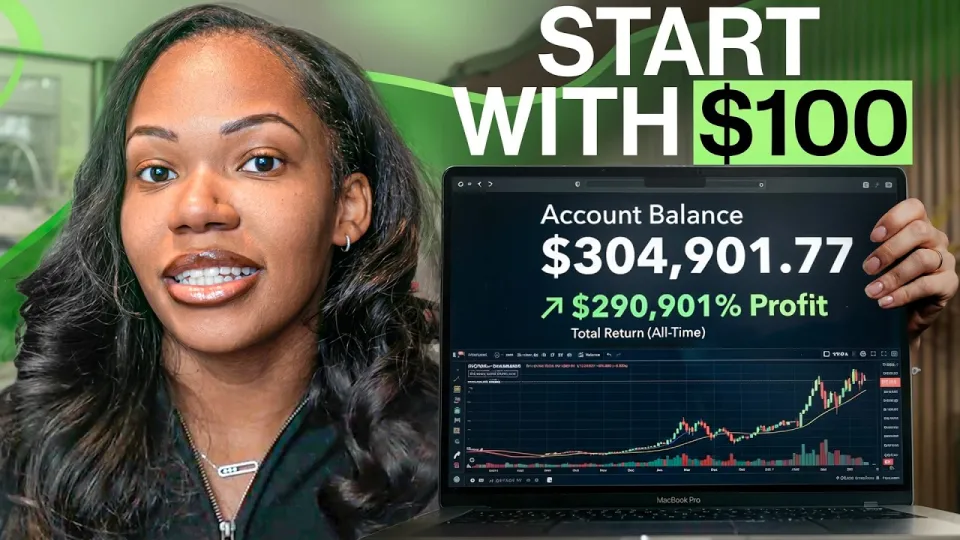
Video: How To Start Trading As A Beginner In 2026 (Step-by-Step)
Need articles like this for your video? They help promote it on YouTube and Google — order them in the Telegram bot @sat_sit_bot. It writes articles around your video, embeds the video and publishes them on popular niche websites (no ads). Free trial — 50 articles.
· based on the channel Sierra Aaliyah
Trading is the process of buying and selling financial instruments such as stocks, options, or futures with the goal of making a profit. Starting trading as a beginner in 2026 is achievable without a finance degree or Wall Street connections by following practical steps and learning foundational concepts. If you want to begin trading, a great resource to join is the Crystal Academy trading Discord where you can get mentorship and community support.
What trading really means and what it is not
Trading is not a get-rich-quick scheme. It requires discipline, patience, and consistent learning. Trading involves risk and can lead to losses, especially for beginners. It is an active process of buying and selling assets to capitalize on short-term price movements. Unlike investing, which focuses on long-term growth, trading demands keen market observation and quick decision-making.
Core concepts every beginner should master
Before placing real trades, beginners must understand three key concepts:
- Calls and puts: These are types of options contracts. A call option gives you the right to buy an asset at a set price before expiration, while a put option gives you the right to sell.
- Options vs futures: Options provide the right but not obligation to trade an asset, while futures require you to buy or sell at a future date. Your schedule and risk tolerance will determine which is better.
- Market structure and candlesticks: Understanding how price moves and reading candlestick charts help you identify trends and entry/exit points.
Choosing the right broker and charting platform
A reliable broker and charting tool are essential. Sierra Aaliyah recommends Webull for beginner-friendly trading with commission-free trades and a simple interface. You can sign up and get free stocks via this link. For charting, TradingView is popular due to its powerful features and user-friendly layout, making technical analysis accessible.
The importance of paper trading and realistic expectations
Paper trading means practicing trades with virtual money to hone your skills without risking real capital. Beginners should aim to double a small paper trading account (e.g., turning $1,000 into $2,000) before moving to live trading. Start with $300 to $2,000 as capital, avoiding myths that you need tens of thousands.
Common beginner mistakes and how to avoid them
Many beginners quit within the first two months due to impatience, lack of risk management, and emotional trading. Key tips to avoid this include:
- Avoid chasing quick profits and unrealistic goals
- Do not overtrade or react to every market wiggle
- Focus on higher timeframes for reduced stress and better signals
- Manage losses carefully and learn from each trade
Typical beginner questions addressed
Many new traders struggle with understanding charts, feeling overwhelmed by strategies, and facing inconsistent results. Consistent profitability takes time and discipline, and mentorship or community support can make a crucial difference. Trading psychology—controlling emotions and maintaining a positive mindset—is as important as technical knowledge.
Useful links
- Join the Crystal Academy Discord for mentorship and resources: https://whop.com/c/crystal-academy/youtube
- Webull broker sign-up with free stocks: https://www.webull.com/k/SierraUSA
- Sierra Aaliyah Instagram: https://www.instagram.com/sierra.aaliyah/
- Sierra Aaliyah TikTok: https://www.tiktok.com/@sierraxliyah
Conclusion
Starting trading as a beginner in 2026 is possible by focusing on foundational knowledge, realistic capital, and disciplined practice. Use tools like Webull and TradingView, practice with paper trading, and learn core concepts like calls, puts, options, futures, and market structure. Avoid common pitfalls by managing emotions and setting achievable goals. For ongoing support and structured learning, consider joining Sierra Aaliyah's Crystal Academy Discord, which provides guidance and community for new traders.
Key takeaways
- Start trading with $300 to $2,000, not $50,000
- Paper trading is essential before risking real money
- Understand calls and puts, and options vs futures
- Use brokers like Webull and charting tools like TradingView
- Master market structure, candlesticks, and trading psychology
Questions & answers
Do I need a large amount of money to start trading?
No, you do not need tens of thousands of dollars to start. It is recommended to begin with $300 to $2,000 to minimize risk while you learn.
What is paper trading and why is it important?
Paper trading is practicing trades using virtual money. It allows beginners to learn strategies and market behavior without risking real capital, building confidence before live trading.
What is the difference between calls and puts in options trading?
A call option gives the right to buy an asset at a set price, while a put option gives the right to sell. Understanding these is fundamental for options trading.
How can I avoid quitting trading after initial failures?
Many beginners quit due to impatience and emotional losses. Focus on education, realistic goals, risk management, and seek mentorship or community support to stay consistent.
Source: How To Start Trading As A Beginner In 2026 (Step-by-Step) · Markdown version